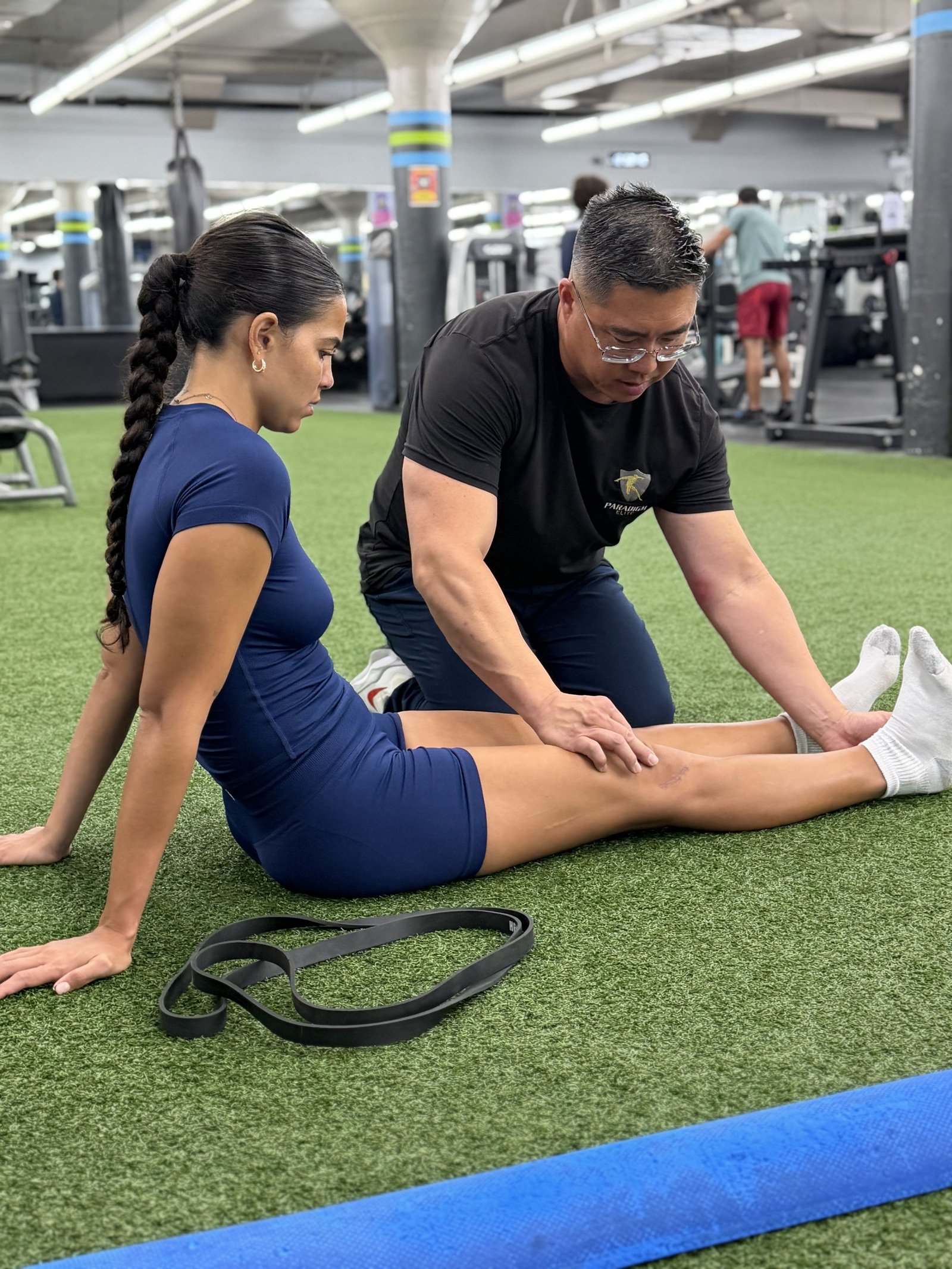
Eighty percent of your assessment is history taking. The rest is orthopedic testing on a body lying still. But your client doesn't get hurt lying still — they get hurt moving, and their reoccurring, chronic pain almost always traces back to a movement pattern nobody ever taught you to look for. Clinical Myofascial Protocols is two days of lecture and hands-on lab that teaches you to read a body in motion, find the restriction that's actually driving the pattern, and build a customized manual therapy session around what you saw — a way of observing clients that most manual therapy training never covers, applicable to nearly every recurring complaint that walks into your treatment room.
Sarasota · January 23–24, 2027 · Chicago · Las Vegas dates to be announced · Early pricing $850 $1,050 · 24 seats per cohort
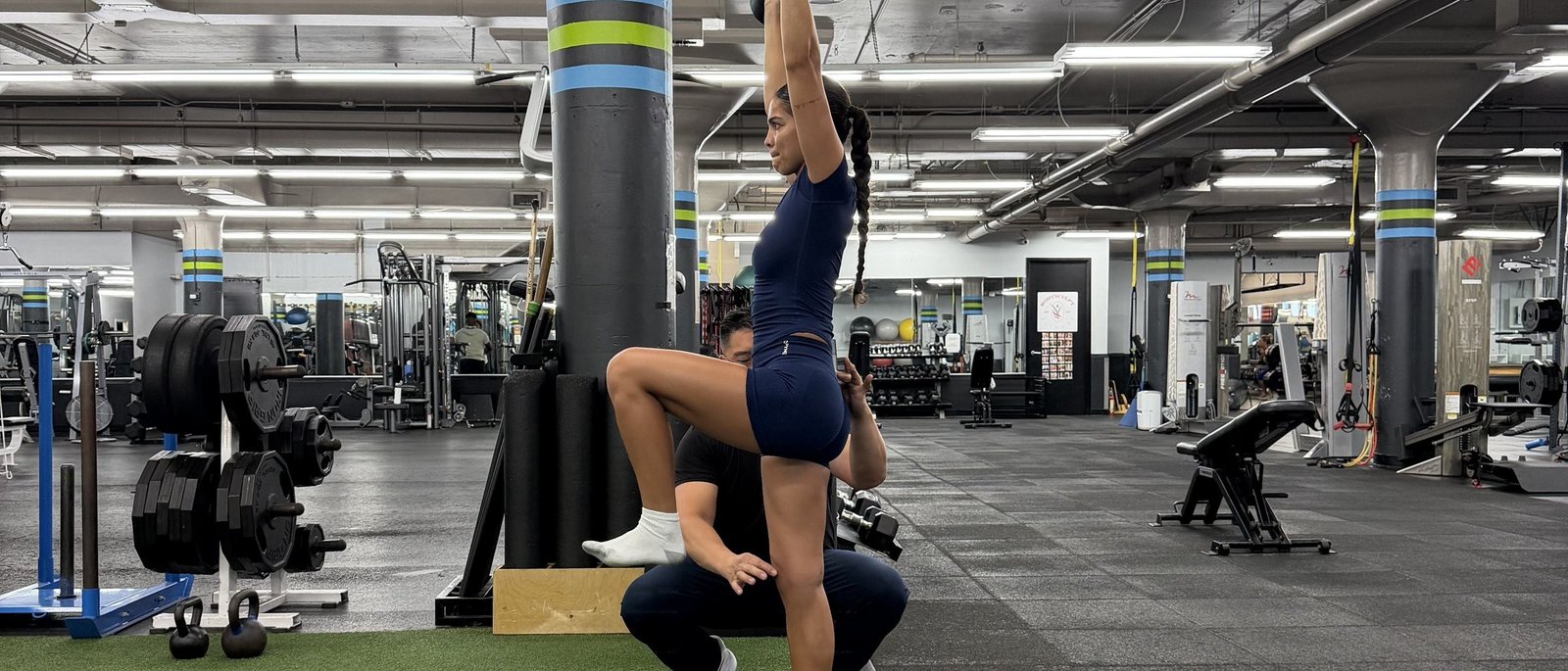
Two days of assessment and hands-on work, in a room capped at twenty-four practitioners.
3 citiesAdhesive capsulitis. Plantar fasciitis. Cervicalgia. Lumbar disc degeneration. Every one of those is an end-result — a name for what finally broke. None of them tell you how the body was operating in the months and years that made it susceptible. That story is written in how the person moves, and it is readable if you know what you're looking at.
"Movement is the ability to communicate efficiently with your environment."
Dr. Stu HuiThis isn't a technique layered onto your existing routine — it's a genuinely different way of looking at the body, one most manual therapy programs never touch. You'll learn to observe how a client moves, not just where they hurt, so you can trace their reoccurring, chronic pain back to the pattern that's actually causing it. That skill travels with you to almost any complaint you'll ever treat — it isn't tied to one condition or one body part.
Orthopedic testing tells you what hurts when you put a joint in a position. It says almost nothing about the gait cycle, the squat, or the hinge that loaded that joint ten thousand times before it hurt.
It marks a site, not a cause. Chase the site and the client comes back in three weeks. Find the pattern feeding the site and the change holds.
Most sessions run the same sequence on every body. Precision and accuracy aren't the same thing — you can be consistently, repeatably, precisely wrong.
This isn't a theory weekend. Every block of the course ends in something you can run on a real client without new equipment, new credentials, or a new room — starting with a sharper eye for the movement patterns behind the reoccurring, chronic pain you see every week.
Run a fundamental movement assessment in under ten minutes — gait, squat, lunge, hip hinge, push, pull, rotation — and document myofascial restriction in a real-world, dynamic context instead of on the table.
Apply the joint-by-joint approach — mobile ankle, stable knee, mobile hip, stable lumbar, mobile thoracic, stable cervical — so you stop treating the segment that's screaming and start treating the one that quit.
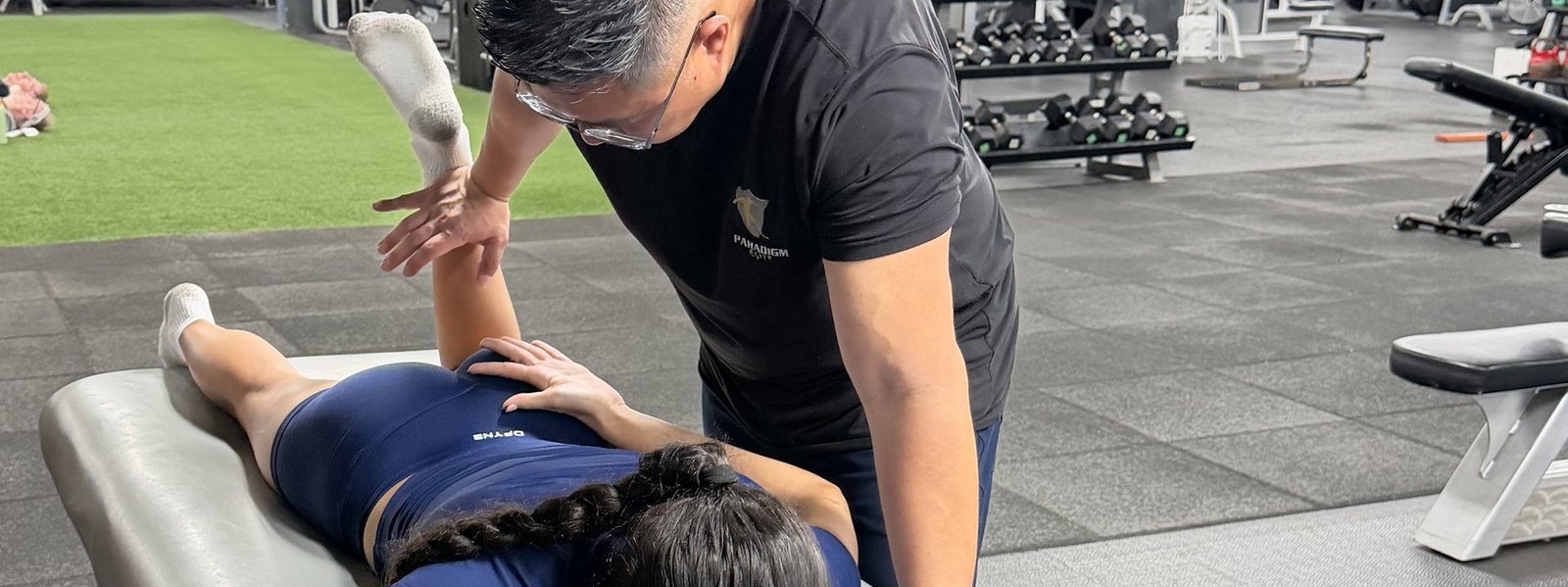
Sequence pelvic block support, trigger point release and deep tissue work from what the assessment showed you, in the order that the tissue and the nervous system will actually accept.
Pair manual therapy with passive and active range of motion so the client leaves owning the new range — not renting it until the drive home.
Cupping, kinesiology taping, IASTM and lymphatic drainage chosen because of a finding, not because it's the tool you bought last year.
Provider preservation: table height, stance, leverage and the training you should be doing yourself, so you can still deliver this work at fifty-five.
These aren't modules to memorize — they're the filters you'll run every client through for the rest of your career.
Why the tissue in front of you is a cumulative result, not an isolated event.
The seven windows through which every biomechanical inefficiency shows itself.
How the brain builds its 3D map of the body in space — and what happens to movement quality when one input degrades.
Five field-testable markers of systemic physical health you can screen in minutes.
Plus Wolff's and Davis' Laws: how positive and negative stress physically rewrite structure.
Roughly forty percent lecture, sixty percent table time. Every stated learning objective for the two days is below, grouped by the day it lands on — submit it to your board or your employer exactly as it stands.
Sixty percent of the two days is spent on your feet, at a table, with your hands corrected in real time.
Hands-onPhysical movement, mindset, nutrition and rest/recovery — and how their cumulative effect determines a client's recovery trajectory and their capacity for comfortable, everyday movement.
In the context of movement evaluation and clinical history taking — where repeatable technique and correct conclusions are not the same achievement.
Gait, squat, lunge, hip hinge, push, pull and rotation, used to identify biomechanical inefficiencies in clients.
The roles of the visual, vestibular and proprioceptive systems in creating the brain's 3D map of movement.
Respiration, balance, grip strength, reaction time and floor-to-stand transitions, as indicators of systemic physical health.
Moving from simple to complex, slow to fast, and stable to unstable environments.
Including the application of Wolff's and Davis' Laws to structural adaptation.
Determining which segments of the body require mobility (hips, thoracic spine) versus stability (knees, lumbar spine).
Observing and documenting myofascial restrictions in a dynamic, real-world context. Run on a partner, in the room, before day one ends.
Associated with upper and lower crossed syndromes, including anterior pelvic tilt and anterior head carriage.
To assist in the manual correction of pelvic and lower-extremity restrictions.
Specifically designed to restore pain-free active range of motion (AROM). Travell-referenced.
Techniques to address specific conditions such as adhesive capsulitis and plantar fasciitis.
To support the client's metabolic recovery and healing processes.
Such as cupping, kinesiology taping and IASTM, into a customized manual therapy protocol.
And body positioning, to ensure career longevity and prevent practitioner injury.
You'll assess and be assessed. Expect to be on the wrong end of a movement screen at least once.
Peer practice
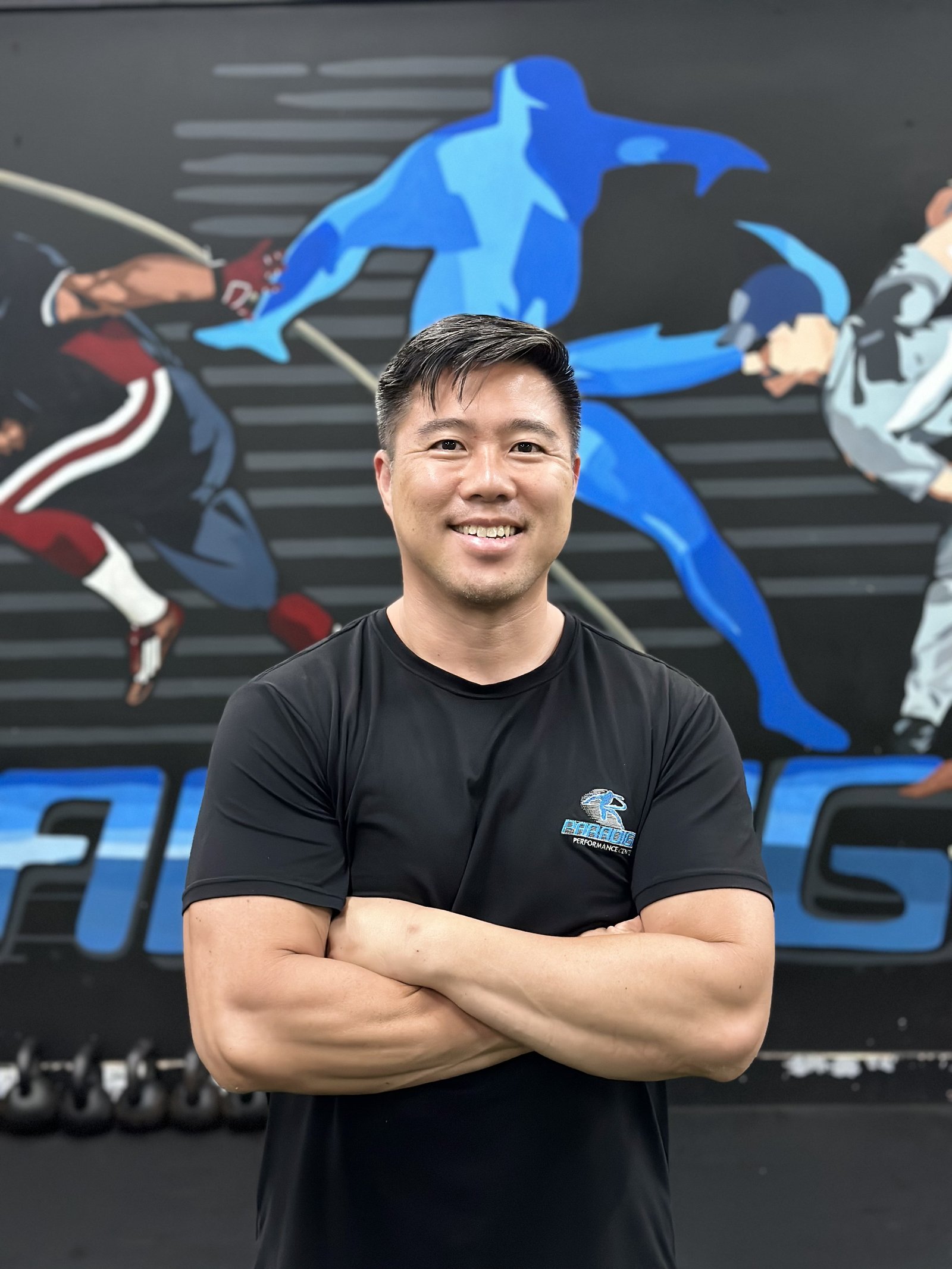
Dr. Stu Hui built Harmony Healthcare around a conviction that most practitioners never get taught: that you cannot restore a body you have only ever seen lying still. His work sits at the intersection of movement evaluation and manual therapy — assessing how a person communicates with their environment, then using hands-on work to remove what's in the way.
He has spent his career helping clients move from pain and limitation back to the everyday activities they actually want their body for, and this course is the distilled version of the evaluation process he runs before he touches anyone. His interest is not in producing technicians. It's in restoring hope to clients who've been told the pain is something they now live with, and giving the providers who treat them a way of seeing that doesn't stop at the diagnosis.
"The knowledge that you gain from the course is well worth the investment!"
Darlene B."Thank you for creating a fun and innovative space of learning!"
Erin G."The class exceeds expectations. It is very beneficial information for LMT's and for their practice."
Jazmin Z."The best course I have ever taken! Thank you! Thank you! Thank you!"
Agata F."I loved all the info and how it was presented!"
Esther C.Now open: Sarasota, January 23–24, 2027. Chicago and Las Vegas dates will be announced soon.
Cohorts are capped so every attendee gets hands corrected on the table, not just demonstrated at the front of the room.
Once the 12 early-pricing seats for your city are claimed, this option will no longer be available — please check out using the Standard Tuition option instead.
Registering two or more from the same clinic? Ask about group rates before you book.
Nothing is charged until dates are confirmed and you accept your seat. Once booked: cancel up to 30 days out for a full refund, or transfer to another city or cohort at no cost. Inside 30 days, your tuition rolls to the next available cohort.
Yes for massage therapists — Harmony Healthcare is an NCBTMB approved provider, and the course carries 16 CE hours on completion. Other license types vary by state board; we'll send you the documentation to submit, and we're happy to check your board's requirements before you register.
No. The course assumes manual therapy competence and teaches the movement evaluation from the ground up. If you already run FMS or similar screens, this will sharpen how you translate a finding into a treatment decision.
Clothing you can move and be assessed in, plus anything you already treat with. Tables, blocks, cups, tape and instruments are provided.
Yes. You'll assess, palpate and treat your peers, and be treated in return. If that's not something you're comfortable with, this isn't the right course.
No. It's continuing education within your existing scope of practice, and you'll receive a certificate of completion. It does not grant new licensure or expand what you're legally permitted to do.
Group registrations are welcome and priced accordingly — with 24 seats per cohort, reach out early so we can hold them together.
Twenty-four seats, two days, and a way of evaluating that you'll use on every client for the rest of your career.
Early pricing held for waitlist members · Course ID CE4026107